• Offer for Industry
  • Young GI
  • Patients
  • Press
  • Newsletter
  • Contact us
UEG Connect
Create myUEG account
  • About
    • To landing page
      • Who we are
      • Boards, Committees & Groups
      • Governance
      • Headquarters Management
      • History
      • What we do
      • Strategic Drivers
      • Year in Review
      • Our Members
      • Specialist Member Societies
      • National Member Societies
      • UEG Community
      • UEG Associates
      • UEG Connect
      • Women in GI
      • Young GIs
      • Researchers
      • Event Calendar
  • Week
    • To landing page
      • Attendance
      • Programme
      • Abstract Submission
      • Postgraduate Teaching
      • Industry
      • Supporters
      • Congress Resources
      • UEG Week Recordings ↗
      • CME Accreditation
      • Future UEG Week
  • Education
    • To landing page
      • Gutflix - Learning Platform ↗
      • Online Courses ↗
      • Mistakes in... ↗
      • UEG Podcast ↗
      • Webinars ↗
      • Summer School
      • Masterclass
      • Gut Guide
      • Career Development
      • CME in Europe
      • Supporters
  • Research
    • To landing page
      • Horizon Europe Support
      • Start-up Grant
      • Research Projects
      • HoloSurge
      • Intercept
      • InfoGut COST Action
      • White Book 2
      • Main Results
      • Full Reports
      • Materials and Presentations
  • Quality of Care
    • To landing page
      • Search Guidelines ↗
      • Non-English Guidelines
      • How to Develop Guidelines ↗
      • Quality of Care Initiatives
      • Quality Indicators
  • Public Affairs
    • To landing page
      • News
      • Focus Areas
      • Advocacy Toolbox
      • Stakeholder Collaboration
      • Digestive Health Month
      • Position Papers
      • Advocacy Bulletin
      • #EUNewsline
      • MEP Digestive Health Group
  • Publications
    • To landing page
      • Congress Publications
      • Research Publications
      • Public Affairs Publications
      • Education Publications
      • UEG Publications
      • UEG Journal ↗
      • UEG Journal Podcast ↗
  • Opportunities
    • To landing page
      • Top Abstract Prizes
      • National Scholar Award
      • Travel Grants
      • International Scholarship Awards
      • Research Prize
      • Research Fellowship
      • Lifetime Achievement Award
      • Journal Best Paper Award
      • Activities Endorsement
      • Rising Star Awards
      • Clinical Visiting Fellowships
      • Open Positions
      • Talent Pool
  • Gutflix ↗
  • Offer for Industry
  • Young GI
  • Patients
  • Press
  • Newsletter
  • Contact us
Press Release

UEG Week: Faecal microbiota transplantation now available in capsule form

October 05, 2015

A new capsule form of faecal microbiota transplantation (FMT) has raised hopes that this effective treatment for Clostridium difficile (C. difficile) infection and other bowel conditions might soon become mainstream.

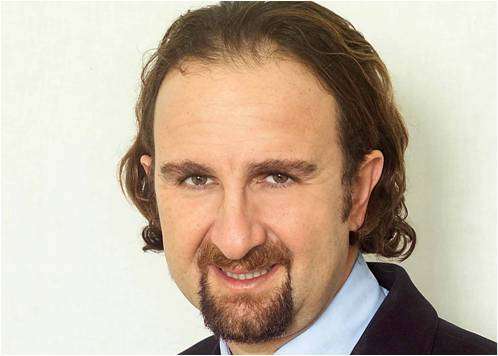
A recently-reported study confirmed that capsules containing a frozen suspension of faecal material harvested from healthy unrelated donors was well tolerated and effectively resolved diarrhoea in 90% of patients with difficult-to-treat C. difficile infection. Professor Antonio Gasbarrini from the A. Gemelli University Hospital in Rome, Italy, who will be presenting his research at the 23rd United European Gastroenterology Week in Barcelona, Spain later this month, believes that an oral formulation that simplifies FMT is a major step forward. “FMT is an excellent treatment for C. difficile infection, but traditional methods are time-consuming and technically challenging,” he says. “Advances in the preparation and delivery of FMT will lead to its wider acceptance as a safe and effective treatment for C. difficile infection that could supersede antibiotics.”

C. difficile infection challenges

C. difficile infection is a type of bacterial infection that causes severe diarrhoea, intestinal inflammation and cell death. The infection is spread via the ingestion of spores, which are passed out of the body in the faeces and can survive for many weeks or months. Standard therapy for C. difficile infection includes the use of antibiotics, however, around one-third of individuals will have a recurrent infection and many of these will have multiple recurrences. The consequences of recurrences of C. difficile infection can be severe, resulting in life-threatening illness and frequent hospitalisations.

FMT in C. difficile infection

FMT from a healthy donor to an individual with C. difficile infection can restore the healthy gut microbiota and resolve symptoms. FMT has traditionally been performed using a liquid suspension of faeces from a related donor, which is transplanted into the body using a nasogastric tube, endoscopy, enema or colonoscopy. A recent systematic review of the literature concluded that FMT was both effective and safe for the treatment of recurrent C. difficile infection, yet many hospitals have failed to embrace the technique or offer it as a potential treatment option.

“We believe that FMT is an excellent therapeutic option for patients who have failed to respond to antibiotic treatments or who have severe or multiple recurrences,” said Prof. Gasbarrini. “Traditional routes of administration all have their drawbacks, so we are excited by the prospect of a capsule formulation.”

In the recently-reported study of an FMT capsule, researchers in the US recruited 20 patients with C. difficile infection who had either failed to respond to antibiotic medications or had been hospitalized at least twice as a result of severe symptoms. The capsules were prepared using frozen liquid stool samples from carefully screened unrelated donors and administered to the patients on two consecutive days. After the first 2 days of treatment, 14 of the 20 patients (70%) experienced a resolution of their symptoms and remained symptom free for 8 weeks. After a second course of treatment, four of the remaining patients became symptom free, resulting in an overall 90% rate of symptom resolution.

“Although larger studies are needed to confirm these findings, this study could certainly lead to more widespread use of FMT in the treatment of recurrent C. difficile infection,” said Prof. Gasbarrini. 

Access this press release in Spanish

Social Sharing
  • About UEG
  • About UEG Week
  • Notes to Editors
  • References
About UEG

UEG, or United European Gastroenterology, is a professional non-profit organisation combining all the leading European medical specialist and national societies focusing on digestive health.

Our member societies represent more than 30,000 specialists from every field of gastroenterology. Together, we provide services for all healthcare professionals and researchers, in the broad area of digestive health. The role of UEG is to take concerted efforts to learn more about digestive disease by prevention, research, diagnosis, cure and raising awareness of their importance. 

To advance the standards of gastroenterological care and knowledge across the world and to reduce the burden of digestive diseases, UEG offers numerous activities and initiatives, including:

  • UEG Week: Organising the best international multidisciplinary gastroenterology congress in the world
  • UEG Research: Supporting cooperation and excellence in digestive health research
  • UEG Journal: Delivering clinical information for digestive health with authority
  • UEG Education: Providing learning oportunities in multiple formats
  • Quality of Care: Improving clinical practice to reduce health inequalities across Europe
  • Public Affairs: Acting as the united voice of European Gastroenterology towards the public and policy makers

Find out more about UEG’s work by visiting www.ueg.eu or contact:    

Luke Paskins on +44 (0)1444 811099 or  

About UEG Week

UEG Week is the largest and most prestigious gastroenterology meeting in Europe and has developed into a global congress. It attracts over 14,000 participants each year, from more than 120 countries, and numbers are steadily rising.

UEG Week provides a forum for basic and clinical scientists from across the globe to present their latest research in digestive and liver diseases, and also features a two-day postgraduate course that brings together top lecturers in their fields for a weekend of interactive learning.

Notes to Editors

For further information, or to arrange an interview with Professor Gasbarrini, please contact Luke Paskins on +44 (0)1444 811099 or

References

1. Youngster I, et al. JAMA 2014;312(17):1772–78

2. Cammarota G, et al. J Clin Gastroenterol 2014; 48(8):693–702.

Comment

Please log in with your myUEG account to post comments.

Latest Articles
Press Release
Europe must embed patient voices to transform digestive health outcomes, urges new UEG manifesto
Press Release
Microplastics found to change gut microbiome in first human-sample study
Press Release
Artificially sweetened and sugary drinks are both associated with an increased risk of liver disease, study finds
Press Release
Europe faces rising liver cancer epidemic without urgent prevention and early detection measures
Get our newsletter!
Sign up with your email to receive UEG news and updates. We respect your privacy.

Headquarters Management

United European Gastroenterology

Wickenburggasse 1
1080 Vienna, Austria


T: +43 1 997 1639

UEG Week Registration

Mondial Congress & Events

Official UEG Week Registration Partner
Operngasse 20b
1040 Vienna, Austria


T: +43 1 58804 - 0

More

Imprint

Terms & Conditions

Media Policies

Privacy Policy

Accessibility Statement

Change cookie-settings

Social Media

7 767 Followers

23 000 Followers

15 666 Followers

5 866 Followers

3 670 Subscribers

11 399 Subscribers

65 Subscribers

409 Subscribers

UEG copyright 2025. All rights reserved. Use of this website constitutes acceptance of the Privacy Policy and Terms & Conditions.