• Offer for Industry
  • Young GI
  • Patients
  • Press
  • Newsletter
  • Contact us
UEG Connect
Create myUEG account
  • About
    • To landing page
      • Who we are
      • Boards, Committees & Groups
      • Governance
      • Headquarters Management
      • History
      • What we do
      • Strategic Drivers
      • Year in Review
      • Our Members
      • Specialist Member Societies
      • National Member Societies
      • UEG Community
      • UEG Associates
      • UEG Connect
      • Women in GI
      • Young GIs
      • Researchers
      • Event Calendar
  • Week
    • To landing page
      • Attendance
      • Programme
      • Abstract Submission
      • Postgraduate Teaching
      • Industry
      • Supporters
      • Congress Resources
      • UEG Week Recordings ↗
      • CME Accreditation
      • Future UEG Week
  • Education
    • To landing page
      • Gutflix - Learning Platform ↗
      • Online Courses ↗
      • Mistakes in... ↗
      • UEG Podcast ↗
      • Webinars ↗
      • Summer School
      • Masterclass
      • Gut Guide
      • Career Development
      • CME in Europe
      • Supporters
  • Research
    • To landing page
      • Horizon Europe Support
      • Start-up Grant
      • Research Projects
      • HoloSurge
      • Intercept
      • InfoGut COST Action
      • White Book 2
      • Main Results
      • Full Reports
      • Materials and Presentations
  • Quality of Care
    • To landing page
      • Search Guidelines ↗
      • Non-English Guidelines
      • How to Develop Guidelines ↗
      • Quality of Care Initiatives
      • Quality Indicators
  • Public Affairs
    • To landing page
      • News
      • Focus Areas
      • Advocacy Toolbox
      • Stakeholder Collaboration
      • Digestive Health Month
      • Position Papers
      • Advocacy Bulletin
      • #EUNewsline
      • MEP Digestive Health Group
  • Publications
    • To landing page
      • Congress Publications
      • Research Publications
      • Public Affairs Publications
      • Education Publications
      • UEG Publications
      • UEG Journal ↗
      • UEG Journal Podcast ↗
  • Opportunities
    • To landing page
      • Top Abstract Prizes
      • National Scholar Award
      • Travel Grants
      • International Scholarship Awards
      • Research Prize
      • Research Fellowship
      • Lifetime Achievement Award
      • Journal Best Paper Award
      • Activities Endorsement
      • Rising Star Awards
      • Clinical Visiting Fellowships
      • Open Positions
      • Talent Pool
  • Gutflix ↗
  • Offer for Industry
  • Young GI
  • Patients
  • Press
  • Newsletter
  • Contact us
Press Release

Turning the tide on Europe’s deadliest cancer: tackling the burden of pancreatic cancer

November 17, 2020

Pancreatic cancer has the lowest rate of survival amongst all cancers across Europe. In the EU alone, it is responsible for over 95,000 deaths every year and life expectancy at the time of diagnosis is less than 5 months. Recent estimates have indicated that the number of pan-European deaths caused by pancreatic cancer overtook breast cancer fatalities in 2017, placing the condition as the third leading cause of cancer-related deaths. There have been few advancements in patient outcomes over the last four decades with mortality rates having seen no improvement and just 3% of patients diagnosed with pancreatic cancer surviving beyond five years. 

How can we turn the tide against Europe’s deadliest cancer? Leading pancreatic cancer experts, Professor Matthias Löhr and Professor Monique van Leerdam, both members of United European Gastroenterology’s (UEG) Public Affairs Committee, discuss the importance of early diagnosis and the latest developments in treatment to mark World Pancreatic Cancer Day 2020. 

Professor Matthias Löhr

“One of the biggest challenges concerning pancreatic cancer is awareness. Understanding of the condition, including its symptoms which are notoriously difficult to identify, is alarmingly low. This, combined with the severity of pancreatic cancer, means most patients have little or no hope of long-term survival at the point of diagnosis.

Perhaps the most significant consequence of poor awareness around pancreatic cancer is that it prevents early detection of the disease, particularly amongst those at highest risk. Early diagnosis is crucial to delivering improved patient outcomes in all cancers, but particularly so in pancreatic cancer given the cripplingly low survival rates.

It is estimated that two-thirds of the major risk factors associated with pancreatic cancer could be modifiable, providing an opportunity for preventing the disease. However, to convert this into reality rather than potential, we need to drive awareness of pancreatic cancer so that people know what to look out for.

The risk factors associated with pancreatic cancer include smoking, chronic pancreatitis, diabetes, obesity and a family history of the condition, whilst incidence rates increase with age. Smoking is related to 20% of all pancreatic cancer cases and causes a 75% increase in the risk of pancreatic cancer when compared with non-smokers. Obese patients are found to have a 47% higher risk of pancreatic cancer as opposed to patients with a healthy BMI. Having a parent, sibling or child with pancreatic cancer makes the risk of being diagnosed with the condition 2-3 times higher, and it is believed that up to 10% of cases are linked to genetic conditions. 

The symptoms of the disease include jaundice, nausea, a change in bowel habits, abdominal and back pain, and unexplained weight loss. Crucially, these are all non-specific which compounds the issue around a lack of awareness and demonstrates why education on pancreatic cancer needs to improve.

Research has shown that pancreatic cancer can be present in the body for many years before patients fall ill or display symptoms. The condition is therefore often asymptomatic, and in those cases where symptoms are detected it is typically at an advanced stage and too late to treat successfully. Problematically, this means that a critical opportunity for early detection is often missed. This complexity explains the main reason for slow progress in improving pancreatic cancer mortality rates.

Improvements in outcomes for pancreatic cancer patients have stalled over the past 40 years, which can be starkly contrasted to the survival rates seen with other types of cancer. This is partly down to the difficulties in detecting the disease, but is also down to a lack of targeted initiatives devoted to pancreatic cancer and the fact that only select countries have deployed registries to collect data on pancreatic cancer.

Limited funding for research into pancreatic cancer has also contributed to patient outcomes not improving further. While the number of deaths from pancreatic cancer has almost doubled in the past three decades, European funding for the disease only accounts for 2% of the total for all cancers. Forecasts predict that there is no sign of this situation improving with the number of cases and deaths from the condition both estimated to increase by 40% by 2035. It is therefore essential that more funding is delivered for research into pancreatic cancer.

While the burden currently posed by pancreatic cancer is severe, it is currently not feasible to implement population-based screening for the disease, placing an emphasis on the need for new treatment options.”

Professor Monique van Leerdam

“New and improved treatments will be key to securing improved outcomes for pancreatic cancer patients moving forward. To help this process, it is important to maximise what is known about the different subgroups of pancreatic cancer patients, particularly which groups are benefitting most from what treatment, as this helps to inform treatment pathways and maximise positive outcomes for patients.

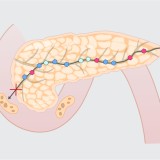
Pancreatic cancer occurs when malignant cells begin to form and multiply in the tissues of the pancreas, which is an organ found behind the stomach. It is increasingly being recognised as a systemic disease made up of micro-metastases when diagnosed. Consequently, a combination of treatments rather than just resection – known as multimodality therapy – is now see as the first-choice treatment. Within this, neoadjuvant therapy, which serves to shrink tumours as a first step prior to surgery, is now preferred as it can be used to treat the disease earlier. By reducing the size of the tumour, clearer resection can be achieved helping to improve patient outcomes. However, this therapy is still in urgent need of more funding to help improve the precision of staging tools, confirm the correct treatment schedule and reduce toxicity. Only then can the impact of neoadjuvant therapy be maximised.

It is also important that we enable the centralisation of care for pancreatic cancer patients moving forward. In Finland for instance, a law is in place that ensures that pancreatic cancer patients only receive treatment at five specialised hospitals as part of a strategy to centralise care. This is a promising step in the right direction but needs to be replicated across Europe if we are to achieve optimal patient care.

Where research has been commissioned for pancreatic cancer it has yielded important developments. One study has shown that removing bacteria from the gut and pancreas has slowed cancer growth and reprogrammed immune cells to react against cancer cells. These findings are significant and could be practice-changing as the removal of certain bacterial species could enhance the efficacy of chemotherapy or immunotherapy. This means there is the potential for increasing patients’ good bacteria in order to slow tumour growth or decrease pancreatic cancer risk. Another study revealed that serum MIC-1 levels may present a new diagnostic biomarker for the early detection of pancreatic cancer. Lastly, research into imaging has shown that diagnosis could also be improved using positron emission tomography techniques where computed tomography and endoscopic ultrasound are not completely diagnostic.

The development of imaging has become increasingly important, not just for the diagnosis of pancreatic cancer, but also for achieving the best treatment and management decisions. While multidetector computed tomography (MDCT) is the current imaging tool of choice for pancreatic cancer assessment, ultrasonography, endoscopic ultrasound, contrast-enhanced ultrasound, and MRI with MRCP can help compliment this with more detailed information. This multimodality approach has seen considerable improvements in recent times, but each imaging tool has its own purpose, advantages and disadvantages across the diagnosis, treatment and management of pancreatic cancer. Again, it is paramount that more dedicated funding is provided so that clinicians are given the means to effectively evaluate the available pancreatic imaging modalities and apply the relevant options as required.

Ultimately if we are to comprehensively address the pancreatic cancer burden facing Europe, we need to drive more funding, defined strategies and treatment innovation for the condition. The lack of improvement in patient outcomes over the last four decades cannot be ignored and we must act now.”

Read our position paper 'Pancreatic Cancer: a medical emergency'

Social Sharing
  • Notes to Editors
  • References
Notes to Editors

For further information, or to arrange an interview with either Matthias Löhr or Monique van Leerdam, please contact Luke Paskins on +44 (0)1444 811099 or [email protected] 

We kindly ask that a reference to UEG is included when communicating any information within this article.

About UEG

UEG, or United European Gastroenterology, is a professional non-profit organisation combining all the leading European medical specialist and national societies focusing on digestive health. Our member societies represent more than 30,000 specialists from every field of gastroenterology. Together, we provide services for all healthcare professionals and researchers, in the broad area of digestive health. The role of UEG is to take concerted efforts to learn more about digestive disease by prevention, research, diagnosis, cure and raising awareness of their importance. To advance the standards of gastroenterological care and knowledge across the world and to reduce the burden of digestive diseases,

UEG offers numerous activities and initiatives, including:

  • UEG Week: Organising the best international multidisciplinary gastroenterology congress in the world.
  • UEG Research: Supporting cooperation and excellence in digestive health research.
  • UEG Journal: Delivering clinical information for digestive health with authority.
  • UEG Education: Providing learning opportunities in multiple formats.
  • Quality of Care: Improving clinical practice to reduce health inequalities across Europe.
  • Public Affairs: Acting as the united voice of European Gastroenterology towards the public and policy makers.

Find out more about UEG’s work by visiting www.ueg.eu or contact:

Luke Paskins on +44 (0)1444 811099 or [email protected]
References
  1. UEG. (2018). Pancreatic Cancer Across Europe. Available: https://ueg.eu/files/771/b7ee6f5f9aa5cd17ca1aea43ce848496.pdf
  2. European Commission . (2018). European Cancer Information System. Available: https:// ecis.jrc.ec.europa.eu/explorer.php?$0-0$1-AE28$2-All$4-1,2$3-All$6-0,14$5-2008,2008$7- 8$CEstByCancer$X0_8-3$CEstRelativeCanc$X1_8-3$X1_9-AE28.
  3. Ferlay J., Partensky C., Bray F. More deaths from pancreatic cancer than breast cancer in the EU by 2017. ACTA Oncologica, August 2016.
  4. Roser, M., Ritchie, H., . (2015). Cancer. Available: https://ourworldindata.org/cancer.
  5. Iodice, S., Gandini, S., Maisonneuve, P., Lowenfels A, B. (2008). Tobacco and the risk of pancreatic cancer: a review and meta-analysis.. Send to Langenbecks Arch Surg. 393 (4), 535-545.
  6. C. Bosetti, et al. (2012). Cigarette smoking and pancreatic cancer: an analysis from the International Pancreatic Cancer Case-Control Consortium. Annals of Oncology. 23 (7), 1880-1888
  7. Pancreatic Cancer Action Network . (2018). 16 Pancreatic Cancer Warning Signs Infographic. Available: https://www.pancan.org/spread-the-word/16-pancreatic-cancer-warning-signsinfographic/.
  8. Pancreatic Cancer UK . (2018). Family history of pancreatic cancer. Available: https://www. pancreaticcancer.org.uk/information-and-support/facts-about-pancreatic-cancer/family-history-ofpancreatic-cancer/
  9. Salvatore, T., . (2015). Pancreatic cancer and diabetes: A two-way relationship in the perspective of diabetologist. International Journal of Surgery. 21 (1), 72-77.
  10. Canto, M, I. et al . (2014). International Cancer of the Pancreas Screening (CAPS) Consortium summit on the management of patients with increased risk for familial pancreatic cancer . GUT. 62 (3), 339-347.
  11. World Health Organization. (2018). CANCER TOMORROW. Available: http://globocan.iarc.fr/Pages/ burden_sel.aspx
  12. Pushalkar, S. et al . (2018). The Pancreatic Cancer Microbiome Promotes Oncogenesis by Induction of Innate and Adaptive Immune Suppression. Cancer Discov.. 403 (4), 403-416.
  13. Koopmann J, Rosenzweig CN, Zhang Z, et al. Serum markers in patients with resectable pancreatic adenocarcinoma: macrophage inhibitory cytokine 1 versus CA19-9. Clin Cancer Res 2006;12:442-6.
  14. Lee, E.S. and Lee, J.M. (2014). Imaging diagnosis of pancreatic cancer: A state-of-the-art review. World J Gastroenterol. 20(24), 7864–7877.

Comment

Please log in with your myUEG account to post comments.

Related Articles
Press Release
Europe faces rising liver cancer epidemic without urgent prevention and early detection measures
Press Release
Turning the Tide on Obesity and Digestive Health: Europe Must Act
Press Release
Alcohol Labelling: Why Are Citizens Denied the Right to Know?
Press Release
A call for comprehensive colorectal cancer screening
Latest Articles
Press Release
Europe must embed patient voices to transform digestive health outcomes, urges new UEG manifesto
Press Release
Microplastics found to change gut microbiome in first human-sample study
Press Release
Artificially sweetened and sugary drinks are both associated with an increased risk of liver disease, study finds
Press Release
Innovative nanoparticle therapy targets fat absorption to combat obesity
Get our newsletter!
Sign up with your email to receive UEG news and updates. We respect your privacy.

Headquarters Management

United European Gastroenterology

Wickenburggasse 1
1080 Vienna, Austria


T: +43 1 997 1639

UEG Week Registration

Mondial Congress & Events

Official UEG Week Registration Partner
Operngasse 20b
1040 Vienna, Austria


T: +43 1 58804 - 0

More

Imprint

Terms & Conditions

Media Policies

Privacy Policy

Accessibility Statement

Change cookie-settings

Social Media

7 767 Followers

23 000 Followers

15 666 Followers

5 866 Followers

3 670 Subscribers

11 399 Subscribers

65 Subscribers

409 Subscribers

UEG copyright 2025. All rights reserved. Use of this website constitutes acceptance of the Privacy Policy and Terms & Conditions.