
1. UEG. (2024). Enhancing transitional care in digestive health: Addressing challenges and implementing strategies across Europe [accessed October 2024].
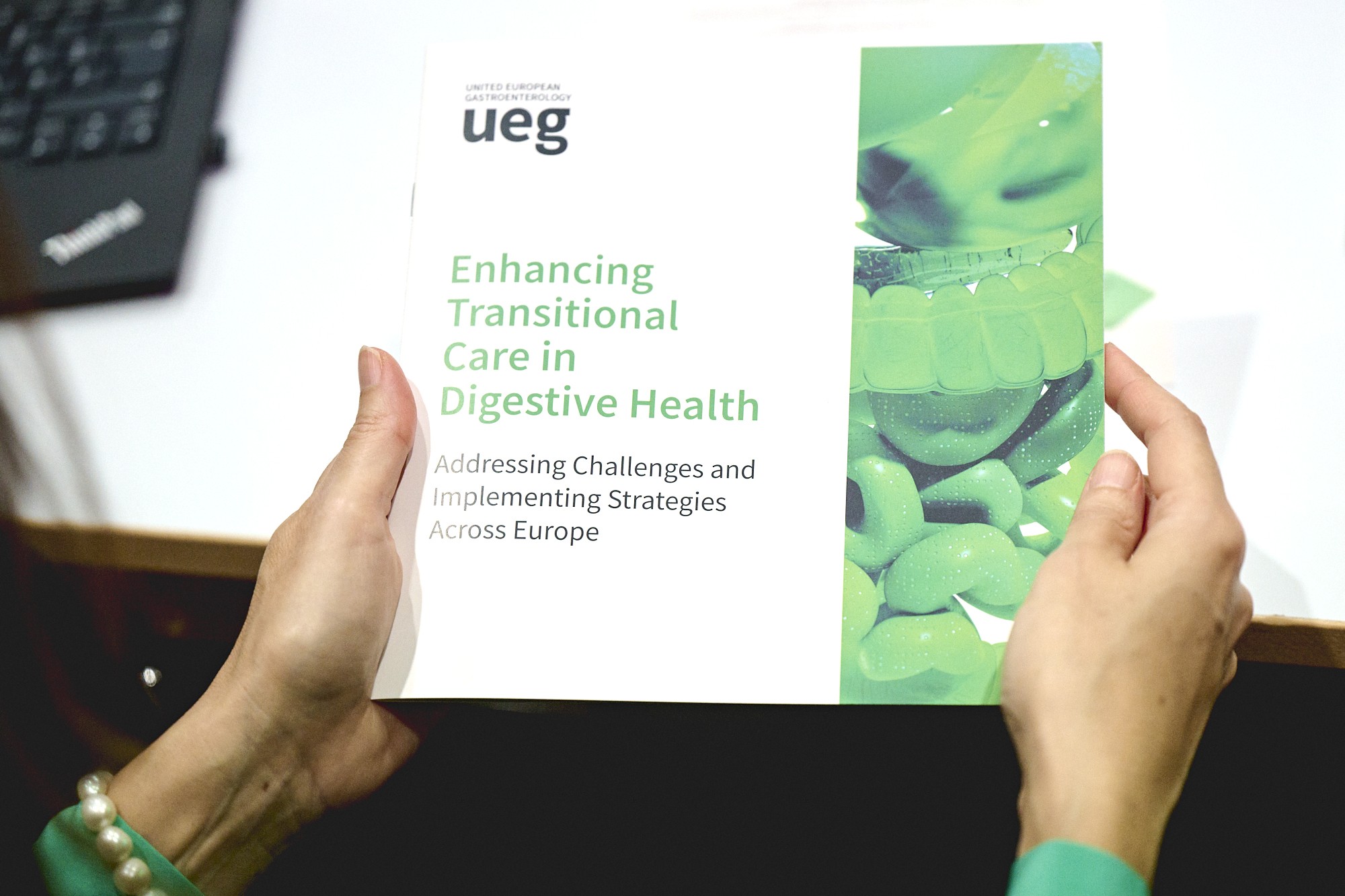
As United European Gastroenterology (UEG) launches a new report on enhancing transitional care in digestive health, members of its public affairs group discuss the challenges and opportunities around transitioning children from paediatric to adult care and UEG’s new recommendations to optimise care during this crucial time.
Over 332 million people in Europe live with digestive disorders, many of which begin early in life and demand lifelong management. A significant number of these people must therefore transition from paediatric to adult care at some point in their journey, which can feel daunting for both the patient and their caregivers.
‘Prioritising transitional care is essential for healthcare systems across Europe to prevent patients being left in limbo during this critical phase,’ says Professor Patrizia Burra, chair of the UEG Public Affairs Group.
A new UEG report, ‘Enhancing Transitional Care in Digestive Health’, shines a light on transitional care challenges and offers a comprehensive roadmap for addressing them. Drawing on the expertise of leading European specialists, the report makes it clear that early, structured and coordinated transitional care is needed to safeguard patients’ futures.
Turning challenges into opportunities for optimised care
The UEG report identifies four primary challenges that provide opportunities to drive optimal support for those transitioning from paediatric to adult healthcare.
1. Late initiation of transitional care
‘One of the most significant challenges we face is the late initiation of the transition process,’ says Dr Jorge Amil Dias, from the European Society for Paediatric Gastroenterology Hepatology and Nutrition. ‘Many adolescents enter adult care abruptly at 18, often feeling unprepared and unsupported. We need to start these conversations earlier, ideally by age 12, to ensure a smoother transition.’ The UEG taskforce is calling for early disease-specific education to prepare patients and parents, as well as structured programmes supported by multidisciplinary teams.
2. Care coordination gaps
There is an urgent need for improved communication between paediatric and adult care providers. ‘Enhanced collaboration is vital,’ says Dr Amil Dias. ‘Transitional Care Coordinators play a crucial role in ensuring a seamless transition.’ The report outlines the need for the appointment of these coordinators early on, fostering joint care through regular appointments, use of transition readiness assessments and involving patients in their own care decisions.
3. Recognising life-stage impact
Adolescence is marked by physical, mental and social development, which can make transitional care particularly challenging. ‘We recommend a stepwise, skills-based training programme that is tailored to each individual’s needs and closely monitors treatment adherence,’ says Hans Törnblom, European Society of Neurogastroenterology and Motility representative, UEG Public Affairs Group. ‘Providing emotional support and using modern communication tools, such as telehealth and the MyHealth Passport, can empower young adults to take an active role in their care journey.’
4. Managing disease characteristics
One of the main challenges in managing disease characteristics is the risk of differences in treatment guidelines between paediatric and adult healthcare that can disrupt treatment continuity, as well as the varying behavioural differences between adolescents and adults. The transition to adult care must be carefully timed to align with periods of disease stability.
‘There needs to be a consensus on treatment regimens between paediatric and adult healthcare professionals,’ says Joana Torres from the European Crohn’s and Colitis Organisation. ‘Continuous education and training, as well as treatment regimen consensus among paediatricians and adult healthcare professionals, are crucial for managing evolving diseases effectively.’
Dr Amil Dias adds: ‘Incorporating essential skills into the training of both paediatric and adult gastroenterologists is crucial. This ensures that when patients transition to new providers – whether due to relocation or other circumstances – they continue to receive care from physicians who are fully equipped to manage the complexities of their condition.’
Time to act and prioritise transitional care
‘Despite a growing body of evidence and consensus on its critical role in supporting continuity of care and treatment adherence for patients affected by digestive diseases, transitional care has often been overlooked by both the medical community and broader society,’ says Professor Burra. ‘Our overarching recommendation is that the current gaps in transitional care practices must be bridged. This is not just about transferring patients from one care team to another; it’s about equipping them with the skills and knowledge they need to manage their health independently. A skills-based approach that addresses both medical and non-medical support can help achieve this.’
Improving transitional care in digestive health requires a coordinated effort from healthcare professionals, policymakers, patients and advocacy groups. The stakes are high, and the costs of inaction are even higher.
As Dr Gauden Galea, strategic adviser to the regional director at the World Health Organization’s Regional Office for Europe, states of the UEG recommendations: ‘By advancing these initiatives, we can transform gastrointestinal healthcare and improve the lives of countless patients. Let us move forward with determination and commitment to ensure the optimal health and wellbeing of all people throughout their lives.’
Social Sharing
-
References
References




Please log in with your myUEG account to post comments.